For life with terriers.
The Evolution of Terrier Breeds Through History
Explore the origins, characteristics, and care tips for various terrier breeds while staying updated on news and events.

The journey of terrier breedsterrier breeds is a fascinating tale that intertwines with the fabric of human history. From their humble beginnings to their diverse roles in modern society, the evolution of terrier breeds reveals much about our relationship with dogs and the purpose they serve in our lives. These spirited and tenacious companions have not only adapted to the changing needs of their human counterparts but have also evolved into a variety of types, each with unique characteristics and traits. As we delve into the historical development of terriers, we uncover stories of their ancestry, which dates back several centuries. Originally bred for specific tasks such as hunting vermin, guarding property, and even participating in dog fights, terriers have demonstrated remarkable versatility and resilience.
Their strong instincts, boundless energy, and unwavering loyalty have made them beloved pets across the globe. This article aims to take you on a captivating journey through time, exploring how these dynamic breeds have transformed over the years. From their origins in ancient societies to their present-day variations, we will examine the significant milestones that have shaped the history of terrier breeds. Join us as we uncover the rich heritage and legacy of terriers, celebrating their unique contributions to our lives and the world around us. The historical development of terriers is a fascinating journey that traces back to their early origins in various regions around the world. Terriers are a diverse group of dog breeds, known for their tenacity, intelligence, and spirited nature.
Initially bred for specific tasks, these dogs have played pivotal roles throughout canine history, particularly in hunting and working environments. One of the earliest uses of terriers was as hunters of vermin. Their keen instincts and bold personalities made them perfect candidates for pest control on farms and in homes. For instance, the Jack Russell Terrier, originally bred in England in the 19th century, was developed specifically for fox hunting. This breed's agility and relentless energy allowed them to chase down prey effectively, showcasing how historical roles have shaped their physical characteristics and temperaments today. As time progressed, the roles of terriers evolved.
The Bull Terrier, with its distinctive egg-shaped head, began as a fighting dog in the 19th century before transitioning into a beloved companion breed. This evolution highlights how societal changes and human preferences have influenced breed characteristics over time. The friendly and playful nature of the Bull Terrier today reflects its shift from a working dog to a family pet, illustrating the adaptability of terriers. The diverse roles that terriers have played also contributed to their varying physical traits. For example, breeds like the Scottish Terrier were bred for their ability to dig and hunt underground, resulting in strong bodies and short legs suited for burrowing.
In contrast, breeds like the Border Terrier exhibit a wiry coat that provides protection against harsh weather while they work outdoors. These physical attributes continue to define each breed's identity, influenced by their historical functions. However, as terriers have become popular companions, certain health concerns have arisen within different breeds. For instance, the West Highland White Terrier is prone to skin conditions, while the Airedale Terrier may face issues related to hip dysplasia. Prospective owners should be aware of these common health issues and ensure regular veterinary check-ups to maintain their terrier's health. In addition to health considerations, training and grooming are vital components of responsible terrier ownership.
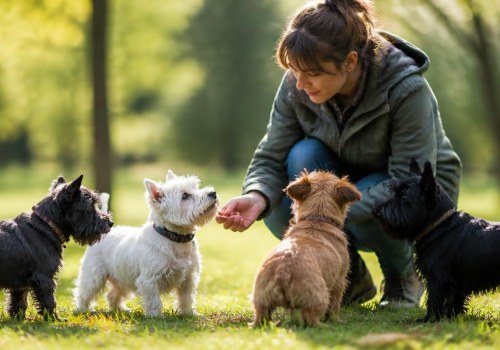
Each breed has its own unique needs; for example, the energetic Parson Russell Terrier requires plenty of exercise and mental stimulation to prevent boredom and destructive behavior. On the grooming front, breeds like the Yorkshire Terrier necessitate regular brushing to maintain their long coats and prevent matting. Socialization is equally crucial; exposing terriers to various environments, people, and other animals helps foster well-rounded temperaments. Recent trends in terrier care emphasize the importance of exercise and socialization for these active dogs. Engaging them in regular activities not only keeps them physically fit but also mentally stimulated. necessitate regular brushing to maintain their long coats and prevent matting. Socialization is equally crucial; exposing terriers to various environments, people, and other animals helps foster well-rounded temperaments. Recent trends in terrier care emphasize the importance of exercise and socialization for these active dogs. Engaging them in regular activities not only keeps them physically fit but also mentally stimulated.
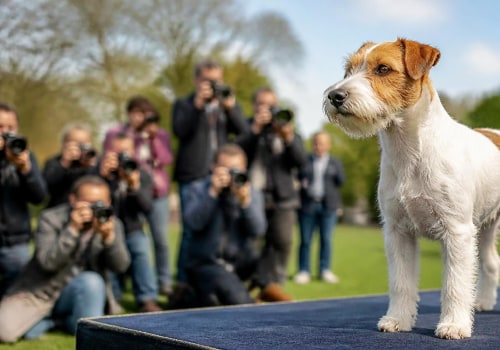
Participating in dog sports or local terrier meet-ups can offer valuable opportunities for social interactions among both dogs and owners. The world of terriers is continuously evolving, with recent updates regarding breed standards and health studies surfacing frequently. Dog shows often highlight these breeds' unique characteristics while providing a platform for enthusiasts to connect and share their experiences. However, it’s important to note that there are differing opinions on breeding practices within the terrier community. Some advocates champion maintaining purebred standards, while others push for more inclusive practices that celebrate mixed breeds or focus on temperament rather than appearance. In conclusion, the historical development of terriers reflects a complex interplay between function and companionship.
From their origins as skilled hunters to their current status as beloved family pets, terriers have adapted remarkably over time. Understanding their history not only enriches our appreciation for these dogs but also informs better care practices for current and future generations of terrier enthusiasts.
Connecting with the Terrier Community
Engaging with fellow terrier lovers can be a rewarding experience, as it allows enthusiasts to share their passion for these remarkable breeds. One of the best ways to connect is by attending terrier events, which often include dog shows, breed-specific gatherings, and community meet-ups. These events provide an opportunity to meet other terrier owners, exchange stories, and showcase your furry friends. In addition to in-person events, the digital age offers numerous online platforms where terrier enthusiasts can connect.Social media groups dedicated to terrier breeds foster a sense of community, allowing members to share photos, tips, and advice on care and training. Websites and forums specifically focused on terriers also serve as valuable resources for information and support. Participating in these communities not only enhances your knowledge about terrier care but also helps build lasting friendships with other dog lovers who share similar interests. Whether it's through local clubs or online spaces, finding your place within the terrier community enriches the experience of being a terrier owner.
The Origins of Terriers
The origins of terriers can be traced back several centuries, with their history deeply intertwined with the needs of humans. Initially bred for specific purposes, these dogs were primarily utilized for hunting small game, vermin control, and as working companions on farms.Their tenacity and spirited nature made them ideal for these roles. Geographically, the development of terriers has roots in various regions, particularly in the British Isles. Breeds like the Jack Russell Terrier and the Airedale Terrier emerged from England, where they were developed to assist hunters by flushing out burrowing animals such as foxes and rodents. Meanwhile, other terrier breeds found their origins in Scotland and Ireland, where they were bred for their agility and courage in tackling larger prey. The early breeding of terriers focused on enhancing traits such as size, coat type, and temperament to suit their intended tasks. This selective breeding led to a diverse array of terrier breeds, each with unique characteristics tailored to their specific roles within human society. As time progressed, the function of terriers evolved from strictly utilitarian to companion animals, reflecting changes in human lifestyles and preferences.
Today, while many terriers still exhibit their original hunting instincts, they are cherished for their loyalty and companionship as much as for their historical significance.
Health and Care Tips
Taking care of terriers involves understanding their unique health needs and grooming requirements. Many terrier breeds are known for their energetic nature, which means they require regular exercise to stay healthy and happy. Daily walks, playtime, and mental stimulation are essential to prevent behavioral issues that can arise from boredom. When it comes to health issues, terriers can be prone to specific genetic conditions depending on their breed. Common health concerns include skin allergies, dental problems, and joint issues such as hip dysplasia.Regular veterinary check-ups are crucial to monitor their health and catch any potential problems early. Grooming is another vital aspect of terrier care. Depending on the breed, their coats may require different grooming techniques. For example, breeds like the West Highland White Terrier benefit from regular brushing to prevent matting, while others might require professional grooming to maintain their coat's condition. It's also important to keep their ears clean and nails trimmed. Training is equally important for terriers.
These intelligent dogs thrive on positive reinforcement and consistency. Early socialization and obedience training are recommended to ensure they develop good manners and can interact well with other dogs and people. Engaging them in activities like agility training or obedience classes can also provide the mental stimulation they need. In summary, caring for terriers involves a blend of physical exercise, regular health check-ups, grooming, and effective training. By understanding these aspects, owners can ensure their terriers lead healthy, fulfilling lives.
Diverse Terrier Breeds
Terriers are a fascinating group of dog breeds, each with its own unique traits and historical significance.Originally bred for hunting, burrowing, and controlling vermin, these dogs have adapted over centuries to serve various roles alongside humans. This diversity in purpose has led to a wide range of breeds, each characterized by distinct physical and behavioral traits. One of the most well-known terrier breeds is the Jack Russell Terrier, renowned for its high energy and intelligence. Developed in England for fox hunting, this breed is characterized by its agility and tenacity. The Staffordshire Bull Terrier, with its muscular build and loyal temperament, was originally bred for bull-baiting but has since evolved into a beloved family companion. The Scottish Terrier, often referred to as the 'Scottie', has a rich history as a hunter of small game in Scotland.
Its distinctive appearance, with a wiry coat and short legs, reflects its origins as a working dog. Conversely, the Airedale Terrier, known as the largest of all terriers, was bred for versatility, serving roles in both hunting and as a police dog due to its intelligence and trainability. Other notable breeds include the West Highland White Terrier, celebrated for its friendly demeanor and adaptability, and the Boston Terrier, which has gained popularity as a companion animal due to its affectionate nature. Each of these breeds not only showcases the physical diversity found within terriers but also highlights their historical significance in various cultures. The growing interest in terrier care reflects their popularity as family pets. As more people seek to understand the unique needs of different terrier breeds, it's essential to appreciate their rich histories and characteristics that make them stand out in the canine world. In conclusion, we have explored the historical development of terriers, highlighting their evolution from essential hunters to cherished companions.
Understanding this history of terriershistory of terriers provides invaluable insights into their unique characteristics and care requirements today. As we discussed, each breed has its own distinct traits and needs, underscoring the importance of tailored care and attention. Furthermore, staying informed about the latest breed news not only enhances our knowledge but also strengthens our connection to these remarkable dogs. We encourage you to consider the joy of adopting or fostering a terrier, as these dogs bring warmth and companionship to our lives. Engaging with the terrier community can enrich your experience as a pet owner, providing support and shared passion for these incredible breeds.