For life with terriers.
Essential Brushing Techniques for Terriers with Different Coat Types
Explore effective brushing techniques for various terrier coats, ensuring your furry friend stays healthy and looking their best.
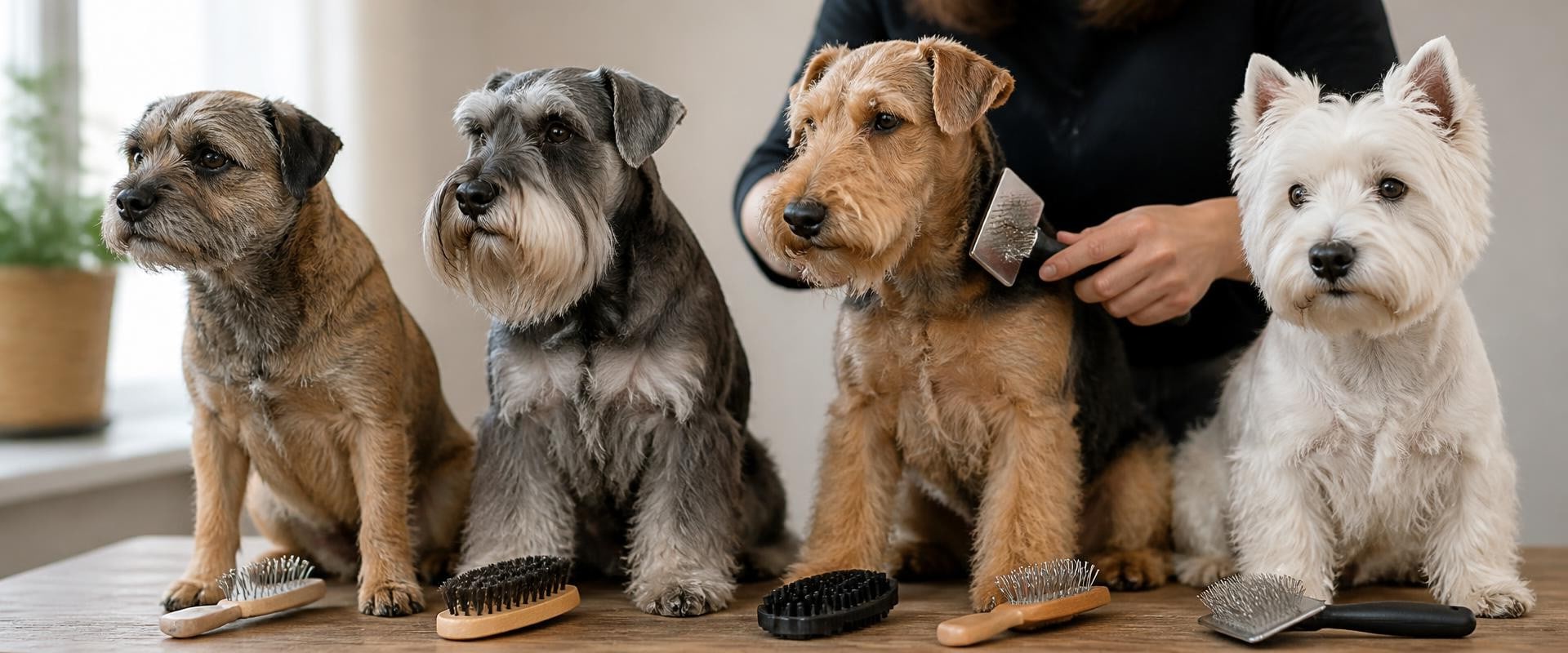
As a proud terrier owner, you understand that each breed comes with its own unique set of grooming challenges and requirements. Brushing techniques for different coatsBrushing techniques for different coats play a crucial role in maintaining the health and appearance of your furry companion. Whether your terrier boasts a wiry, smooth, or curly coat, knowing the right techniques can make all the difference in keeping their coat shiny, healthy, and free from mats. In this article, we will delve into the essential brushing techniques tailored specifically for the various coat types found in terriers. From the iconic Airedale to the feisty Jack Russell, each breed has distinct characteristics that necessitate specific grooming strategies.
By mastering these techniques, not only will you enhance your terrier’s aesthetic appeal, but you will also foster a stronger bond with your pet through regular grooming sessions. Join us as we explore the best practices for brushing terriers with different coat types, ensuring that your four-legged friend looks and feels their best. Let’s get started on this journey to achieving a beautifully groomed terrier!Proper grooming is a vital aspect of caring for terriers, impacting both their health and appearance. It is essential to understand that different coat types require unique brushing techniques to ensure the well-being of these spirited dogs. Terriers generally fall into three primary coat categories: smooth, wire, and long coats.
Each type has distinct needs when it comes to grooming, necessitating tailored approaches to maintain coat health and prevent issues like matting and skin irritation. Starting with **smooth-coated terriers**, such as the Jack Russell Terrier, these breeds have short, dense fur that lies close to the skin. The grooming routine for smooth-coated terriers is relatively straightforward. Experts recommend brushing them once a week with a soft-bristled brush or a rubber grooming mitt. This practice not only removes loose hair but also stimulates the skin's natural oils, promoting a shiny coat.
According to professional groomer Jane Smith, "Smooth-coated terriers do not require extensive grooming, but regular brushing is key to keeping their skin healthy and free from irritation."Moving on to **wire-haired terriers**, like the Airedale Terrier, these breeds possess a unique coat that consists of a dense, wiry outer layer and a softer undercoat. Wire-haired terriers need more specialized grooming techniques to maintain their distinctive look. Groomers often suggest using a slicker brush followed by a comb to remove tangles and dead hair. It's important to brush them at least twice a week to prevent matting and encourage healthy growth.
Additionally, hand-stripping—removing dead hair by pulling it out with fingers or special tools—should be performed every few months to keep the coat in optimal condition. Veterinarian Dr. Emily Johnson emphasizes, "Wire-haired coats are designed to protect the dog from elements, so maintaining their structure through proper grooming is crucial for their comfort and health."For **long-coated terriers**, such as the Yorkshire Terrier, grooming requires a more intensive approach due to their flowing locks. These breeds can easily develop mats and tangles if not brushed regularly.
Owners should aim to brush their long-coated terriers daily using a wide-toothed comb followed by a pin brush. This routine helps detangle the hair while distributing natural oils throughout the coat, which prevents dryness and breakage. Additionally, bathing long-haired terriers should be approached with care; it is advisable to use a gentle dog shampoo and condition the coat afterward to keep it manageable. Grooming expert Sarah Brown shares, "With long-coated terriers, consistency is vital.
Daily brushing not only helps with mats but also creates a bonding experience between the dog and owner."Many pet owners harbor misconceptions about terrier grooming—one common myth suggests that all terrier coats are low-maintenance and require minimal effort. However, this is far from the truth. Each coat type has its unique requirements that must be met to ensure optimal health. Regular brushing is not merely about aesthetics; it plays an essential role in preventing skin conditions and promoting overall well-being. In addition to physical health benefits, good grooming practices can significantly strengthen the bond between owner and pet. Daily brushing not only helps with mats but also creates a bonding experience between the dog and owner."Many pet owners harbor misconceptions about terrier grooming—one common myth suggests that all terrier coats are low-maintenance and require minimal effort. However, this is far from the truth. Each coat type has its unique requirements that must be met to ensure optimal health. Regular brushing is not merely about aesthetics; it plays an essential role in preventing skin conditions and promoting overall well-being. In addition to physical health benefits, good grooming practices can significantly strengthen the bond between owner and pet.
Taking time to groom your terrier allows for quality time spent together, fostering trust and companionship. Testimonials from fellow terrier owners often highlight how consistent grooming has positively impacted their pets' lives. One proud owner of a Scottish Terrier shares, "I used to overlook grooming until I noticed my dog was scratching more often than usual. Since I started brushing him regularly with the right tools, he's much happier and healthier!" Another Yorkshire Terrier owner states, "I never realized how enjoyable grooming could be until I made it part of our daily routine; now it's our special time together!"In conclusion, understanding the specific **brushing techniques** for different coat types among terriers is essential for their care. By addressing each type's unique needs—whether smooth, wire, or long—owners can ensure their pets remain healthy, happy, and looking their best.
Caring for Long-Coated Terriers
Long-coated terriers require special attention when it comes to grooming.Their flowing fur not only enhances their appearance but also serves as a protective layer against various environmental factors. However, without proper care, this beautiful coat can become tangled and matted, leading to discomfort for your pet and a less appealing look. To maintain a healthy shine and detangle the coat of long-haired terriers, start by using a quality slicker brush designed specifically for long fur. This tool effectively removes loose hair and helps prevent matting. Begin at the tips of the hair and work your way up towards the roots, gently separating any tangles you encounter along the way.
Always be patient during this process, as rushing can cause discomfort and stress to your furry friend. In addition to brushing, consider incorporating a conditioning spray or detangling solution to help manage the coat's texture. These products can make brushing easier and enhance the coat's natural shine. Make sure to evenly distribute the product throughout the coat before you begin brushing. Regular grooming sessions not only keep your long-coated terrier looking their best but also contribute to their overall health by promoting good blood circulation and preventing skin issues. Moreover, these grooming moments can strengthen the bond between you and your pet, making them an essential part of your routine.
Brushing Techniques for Smooth Coats
When it comes to grooming smooth-coated terriers, the primary goal is to maintain their sleek appearance while ensuring their skin remains healthy.Smooth coats, found in breeds like the Staffordshire Bull Terrier and Fox Terrier, require different care compared to their long-haired counterparts. The brushing techniques for these coats are straightforward yet essential. The best tool for smooth-coated terriers is a slicker brush or a rubber grooming mitt. A slicker brush effectively removes loose hair and debris while distributing natural oils throughout the coat, promoting a shiny finish. The rubber mitt can be used during regular petting sessions, making it a gentle way to remove dirt and dander while also bonding with your pet. Frequency of brushing can vary, but generally, it is recommended to brush your smooth-coated terrier at least once a week.
During shedding seasons, which often occur in spring and fall, you may want to increase the frequency to two or three times a week. This not only helps keep your home cleaner but also allows you to monitor your pet’s skin condition and catch any potential issues early. In addition to regular brushing, incorporating occasional baths with a mild dog shampoo will help remove any build-up of dirt and oils, keeping your terrier’s coat looking its best. Remember, proper grooming techniques not only enhance the appearance of your smooth-coated terrier but also contribute to their overall health and well-being.
Grooming Wire-Coated Terriers
Wire-coated terriers possess a unique coat that requires specialized grooming techniques to maintain its health and appearance. These dogs, such as the Yorkshire Terrier, Scottish Terrier, and Border Terrier, have a distinctive wiry texture that is not only appealing but also functional, providing insulation and protection.Proper grooming of wire-coated terriers is essential, as it helps to remove dead hair and prevent matting, which can lead to skin issues. When brushing a wire-coated terrier, it is important to use the right tools. A slicker brush or a pin brush is often recommended for this type of coat. Start by gently brushing in the direction of hair growth to remove loose hairs. Be cautious around sensitive areas, such as the face and ears, where the coat may be softer. In addition to regular brushing, hand-stripping is a key technique for maintaining the texture and appearance of a wire coat.
Hand-stripping involves plucking out dead hairs by hand or using a stripping knife, which helps to keep the coat healthy and promotes new growth. This technique should be done carefully to avoid discomfort for the dog and should ideally be performed by a professional groomer if you are unsure. It is also vital to check for any skin irritations or parasites while grooming your wire-coated terrier. Regular grooming sessions not only contribute to a well-maintained coat but also foster a stronger bond between you and your pet, turning grooming into an enjoyable experience for both.
Common Mistakes to Avoid When Brushing
When it comes to grooming your terrier, avoiding common mistakes can make a significant difference in both the effectiveness of brushing and the comfort of your pet. Here are some frequent errors that owners make while grooming their terriers and tips on how to prevent them.1.Not Using the Right Tools:
One of the most common mistakes is using inappropriate brushes for your terrier's specific coat type.For instance, wire-haired terriers require a slicker brush to remove dead hair effectively, while smooth-coated terriers do better with a bristle brush. Ensure you choose grooming tools that are designed for your dog's coat type to prevent discomfort and ensure optimal results.
2.Skipping Regular Grooming Sessions:
Some owners tend to brush their dogs infrequently, leading to matted fur and skin issues. Regular brushing not only keeps their coat healthy but also helps you check for any skin problems or parasites. Aim for at least once a week for smooth-coated breeds, while wire-haired or long-haired breeds may require more frequent sessions.3.Brushing Too Hard:
Applying too much pressure while brushing can hurt your terrier and create a negative grooming experience.Always use gentle strokes, particularly in sensitive areas like the belly and behind the ears. If you encounter mats, use detangling spray or your fingers to work through them gently instead of forcing the brush through.
4.Neglecting to Brush in the Right Direction:
Another mistake is brushing against the grain of the coat, which can be uncomfortable for your dog. Always brush in the direction of hair growth to avoid pulling and causing pain.5.Ignoring Undercoat Care:
Many terrier owners forget about maintaining the undercoat, which can lead to excessive shedding and skin irritation. Use an undercoat rake specifically designed for terriers with double coats to keep this area well-groomed.6.Failing to Reward Your Dog:
Lastly, not rewarding your terrier after a grooming session can make them associate brushing with a negative experience.Always follow up with praise or treats to reinforce positive behavior during grooming sessions. By being mindful of these common mistakes, you can make the grooming process more enjoyable for both you and your terrier, ensuring that they look their best while also maintaining their overall health.
Understanding Different Terrier Coat Types
Terriers are known for their lively personalities and distinct appearances, which are greatly influenced by their coat types. Understanding these different coat types is essential for effective grooming and maintenance. In this section, we will explore the primary coat types found in terriers, detailing their unique characteristics and grooming needs.1.Smooth Coats
: Smooth-coated terriers, such as the American Staffordshire Terrier and the Boston Terrier, have short, sleek fur that lies close to the skin. This type of coat requires minimal grooming, typically only needing regular brushing to remove loose hair and dirt.A rubber grooming mitt can be effective for this purpose, as it helps distribute natural oils and keeps the coat shiny.
2.Wire Coats
: Breeds like the West Highland White Terrier and the Scottish Terrier possess a wiry coat that is both coarse and dense. These coats benefit from regular brushing with a slicker brush or a comb to prevent matting and to remove dead hair. Additionally, wire-coated terriers require occasional hand-stripping to maintain their texture and appearance.3.Broken Coats
: The Border Terrier is an example of a breed with a broken coat, which is somewhat softer than a wire coat but still has a rough texture. Grooming needs for broken coats are similar to those of wire coats; they require regular brushing and hand-stripping to keep the coat healthy and well-groomed.4.Long Coats
: Breeds such as the Airedale Terrier have longer coats that require more intensive grooming.These coats should be brushed several times a week to prevent tangles and mats. A wide-toothed comb followed by a slicker brush can help manage the length and volume of the hair while keeping it looking its best.
5.Curly Coats
: The Irish Terrier, while not as common, features a curly coat that requires specific care. Regular brushing is essential to prevent matting, and using a pin brush can help maintain its structure without damaging the curls. By recognizing these different coat types and their individual grooming requirements, terrier owners can ensure that their pets not only look great but also stay healthy and comfortable. Proper grooming tailored to each coat type can significantly enhance a terrier's overall well-being. In conclusion, understanding the unique grooming needs of your terrier is essential for maintaining their health and appearance.Each coat type, whether smooth, wire, or long, requires specific brushing techniques to prevent matting and skin issues while promoting a shiny coat. Establishing a consistent grooming routine tailored to your dog's coat type not only enhances their look but also strengthens the bond between you and your pet. As you embark on this grooming journey, remember to be patient and attentive to your terrier's needs. Consider consulting with professional groomers or veterinarians for additional tips and resources. Engaging with fellow pet owners through forums or social media groups can also provide valuable insights and support. By prioritizing proper grooming practices, you're not just caring for your dog’s coat—you're investing in their overall well-being and happiness.