For life with terriers.
Essential DIY Grooming Steps for Your Terrier
Explore effective DIY grooming techniques for terriers, including step-by-step instructions and health tips to keep your furry friend happy and healthy.
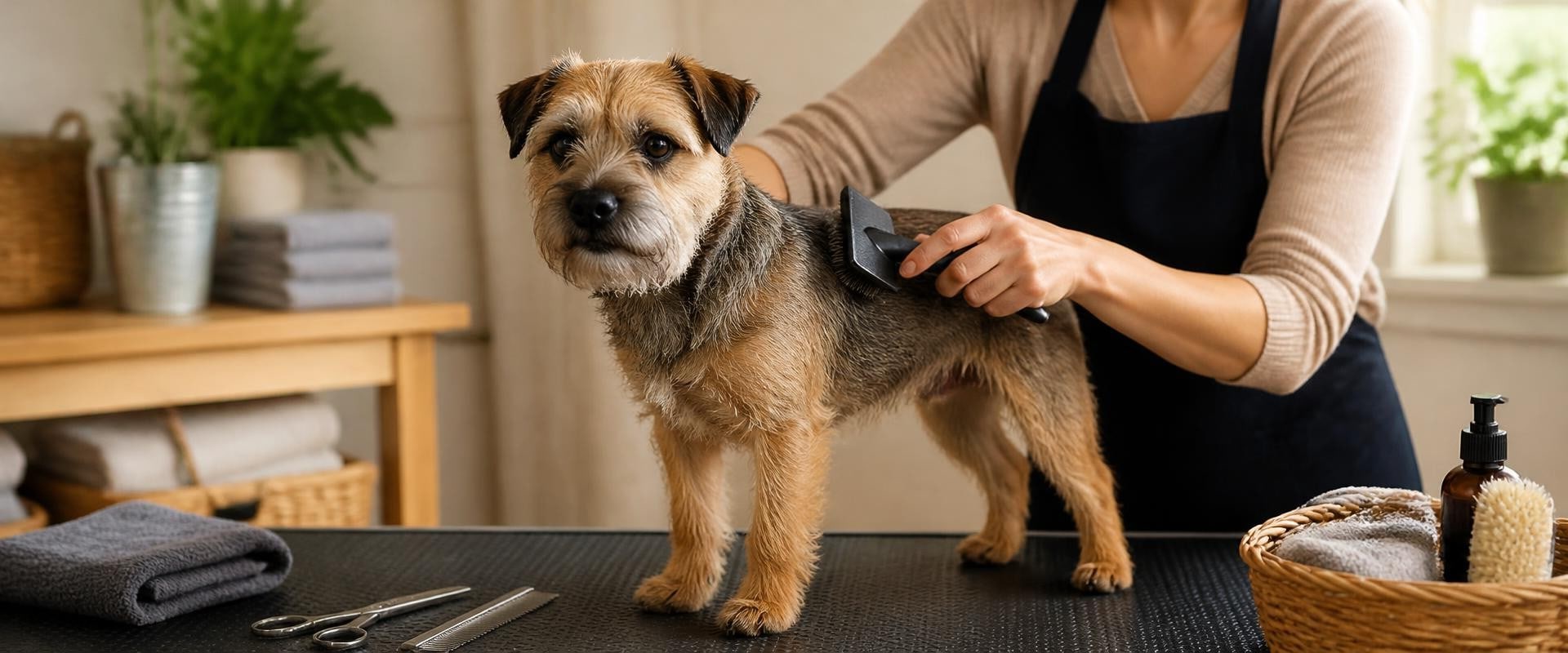
Welcome to the world of DIY grooming steps for terriers, where every brushstroke not only beautifies your furry friend but also strengthens the bond you share. Grooming your terrier at home can be an incredibly rewarding experience, transforming a routine task into a cherished time of connection and care. Whether you own a lively Jack Russell or a dignified Airedale, understanding the specific grooming needs of your terrier is essential for maintaining their health and happiness. In this guide, we’ll explore the essential DIY grooming steps for your terrier, breaking down each process to make it approachable and enjoyable. From brushing techniques to bathing tips, we’ll cover everything you need to know to keep your terrier looking sharp and feeling great.
By mastering these grooming techniques, not only will you enhance your dog’s appearance, but you will also contribute to their overall well-being. So grab your grooming tools and get ready to dive into the detailed steps that will ensure your terrier is clean, comfortable, and stylish. Let’s embark on this journey together, ensuring that grooming becomes a delightful experience for both you and your beloved pet!Grooming is an essential part of responsible pet ownership, especially when it comes to terriers. These energetic and spirited dogs are known for their unique coat types, which vary significantly from breed to breed.
Regular grooming not only enhances their appearance but also contributes greatly to their overall health and well-being. Establishing a grooming routine can strengthen the bond between you and your terrier, making the experience enjoyable for both of you. When it comes to DIY grooming steps for terriers, it is important to recognize that different breeds have unique grooming needs. For example, the Jack Russell Terrier has a short, wiry coat that requires less maintenance than the longer, denser coat of an Airedale Terrier. On the other hand, the West Highland White Terrier, with its fluffy white coat, needs regular grooming to prevent matting and maintain its beautiful appearance.
Understanding these differences is key to effective grooming. The first step in your grooming routine is to gather the necessary tools. For terriers, you will typically need a variety of brushes including slicker brushes for detangling, bristle brushes for smoothing, and combs for finishing touches. Clippers are essential for trimming longer coats, while high-quality shampoos specifically formulated for your terrier's coat type will ensure a clean and healthy finish. Look for products that are gentle and free from harsh chemicals. Now let's dive into the detailed steps for effective grooming.
Start with bathing your terrier. Depending on their breed and lifestyle, you should bathe your dog every 4 to 8 weeks. Use lukewarm water and apply a small amount of shampoo, lathering thoroughly before rinsing completely. Be cautious not to get water in their ears or eyes.
After the bath, towel dry your terrier and use a blow dryer on a low setting if they are comfortable with it. Next comes brushing. For short-haired breeds like the Jack Russell Terrier, brushing once a week with a bristle brush is usually sufficient. For longer-haired breeds such as the Airedale Terrier, you should brush several times a week to prevent tangles and mats. When brushing, always work from the base of the coat outward to avoid pulling on their skin. Nail trimming is another crucial aspect of grooming that should not be overlooked.
Terriers typically need their nails trimmed every 3 to 4 weeks. Use a quality nail clipper designed for dogs and be cautious not to cut too close to the quick, which can cause bleeding. If you’re unsure, consult with a groomer or veterinarian. Ear cleaning is also important, particularly for breeds prone to ear infections like the Airedale Terrier. Check your terrier’s ears weekly for dirt or wax buildup.
Use a vet-recommended ear cleaner on a cotton ball and gently wipe the inside of the ear flap—never insert anything deep into the ear canal. Dental care should also be part of your grooming routine; ideally, you should brush your terrier’s teeth several times a week using toothpaste formulated for dogs. This helps prevent dental issues that are common in many breeds. The frequency of these grooming tasks can vary widely between breeds and individual dogs. As a general guideline, short-haired terriers may require less frequent grooming than long-haired ones. However, always pay attention to your dog’s specific needs; some may require more frequent brushing or bathing depending on their lifestyle or sensitivities. While grooming can be an enjoyable experience, there are challenges that owners might face.
Some dogs may be anxious or resistant to being groomed. To alleviate this, start slowly by introducing them to grooming tools when they are calm and rewarding them with treats during the process. Patience and positive reinforcement will help create a more relaxed environment. In conclusion, establishing a regular grooming routine tailored specifically for your terrier breed will enhance their appearance and health while strengthening your bond with them. Many experienced terrier owners emphasize the importance of consistency in grooming routines; as one owner of a West Highland White Terrier put it, “Grooming is our special time together—it helps me keep my dog looking great while also making him feel loved.” Remember that each dog is unique, so adapt these tips to fit your terrier’s personality and preferences.
Dental Hygiene for Your Terrier
Maintaining your terrier's dental hygiene is crucial for their overall health and well-being.Just like humans, dogs can suffer from dental issues that may lead to more serious health problems if left untreated. Regular dental care helps prevent plaque buildup, gum disease, and bad breath, ensuring your furry friend stays healthy and happy.
Brushing your terrier's teeth
should be a regular part of their grooming routine. Aim to brush their teeth at least two to three times a week, if not daily. Use a toothbrush designed specifically for dogs, as well as toothpaste formulated for canine use.Never use human toothpaste, as it can be harmful to your pet. To make the experience positive for your terrier, start by letting them taste the toothpaste. Gradually introduce the toothbrush by allowing them to sniff it and then gently brushing a few teeth at a time. Be patient and reward them with treats and praise to create a positive association with dental care. In addition to brushing, consider incorporating dental chews or toys into your terrier's routine. These can help reduce plaque and tartar buildup while keeping them entertained.
Regular veterinary check-ups are also important, as your vet can perform professional cleanings and assess your dog's dental health.
Ear Care and Cleaning
Ear care is a crucial aspect of grooming that should not be overlooked, especially for terriers. These breeds often have unique ear structures that can trap moisture and debris, making them susceptible to ear infections. Regular cleaning helps to prevent these issues and keeps your terrier comfortable and healthy. To clean your terrier's ears properly, start by gathering the necessary supplies: a veterinarian-approved ear cleaner, cotton balls or pads, and treats to reward your dog after the process. Begin by gently lifting the ear flap to expose the ear canal.Apply a few drops of the cleaning solution into the ear canal, then massage the base of the ear for about 20 seconds. This will help loosen any wax or debris. Next, allow your terrier to shake their head; this natural behavior helps to dislodge dirt. Afterward, use a cotton ball or pad to wipe away any visible wax or dirt from the inner part of the ear. Avoid using cotton swabs, as they can push debris further into the ear canal. Cleaning your terrier's ears should be part of your regular grooming routine.
Aim to check and clean their ears at least once a month or more frequently if they are prone to ear issues. Not only does this practice help in preventing infections, but it also strengthens the bond between you and your furry friend, as they learn to trust you during this intimate grooming experience.
Choosing the Right Grooming Tools
When it comes to grooming your terrier, having the right tools is essential for achieving the best results. Different terrier breeds have unique coat types, which means that the grooming tools you choose should be tailored to their specific needs.Essential grooming tools
for terriers typically include brushes, combs, clippers, and nail trimmers.Each of these tools serves a distinct purpose and can significantly impact your grooming routine. For terriers with a wiry coat, such as the Jack Russell Terrier, a slicker brush and a comb with wide teeth are ideal for removing loose hair and debris. In contrast, softer-coated terriers like the Soft Coated Wheaten Terrier benefit from a pin brush to prevent tangles and mats. If your terrier's coat is particularly long or thick, investing in high-quality clippers is crucial for maintaining their appearance. Look for clippers that come with various blade sizes to accommodate different lengths of fur. Additionally, a good pair of scissors can help you achieve precise trimming around sensitive areas like the eyes and paws. Nail trimming is another vital aspect of grooming, and having a reliable pair of nail clippers designed for small breeds will make this task easier.
Regular nail maintenance prevents discomfort and potential injury, contributing to your terrier's overall health. To select the right grooming tools for your terrier, consider their specific breed characteristics and coat type. Research which tools are recommended by professionals or fellow dog owners who share the same breed. Ultimately, investing in quality grooming tools will not only enhance your terrier's appearance but also help strengthen the bond you share during these grooming sessions.
Nail Trimming Tips
Nail trimming is an essential part of DIY grooming steps for terriers. Regular nail care prevents discomfort and potential health issues for your furry friend.Here’s a guide on how to safely trim your terrier's nails at home without causing discomfort. First, gather the right tools. Invest in a good pair of dog nail clippers, either guillotine-style or electric, depending on your preference. You may also want to have styptic powder on hand to stop any bleeding in case you accidentally cut too short. Next, familiarize your terrier with the process. Start by gently handling their paws and nails during playtime or cuddle sessions.
This helps them associate paw handling with positive experiences. When you’re ready to trim, choose a quiet and comfortable space where your terrier feels safe. Before trimming, identify the quick, which is the pink area within the nail that contains blood vessels and nerves. Be careful not to cut this area as it can cause pain and bleeding. If your terrier has dark nails, it may be more challenging to see the quick; in this case, trim small sections gradually until you see a light-colored ring appear. When you start trimming, hold your terrier's paw gently but firmly.
Use treats and praise to encourage them during the process. Trim one nail at a time and take breaks if your dog seems anxious. The goal is to keep the experience positive and stress-free. After trimming, reward your terrier with treats and affection. This reinforces good behavior and helps them look forward to future grooming sessions.
Regular nail trimming contributes to your terrier's comfort and mobility, making it a vital part of their grooming routine.
Bathing Your Terrier: Step-by-Step
Bathing your terrier is an essential part of their grooming routine. To start, it’s important to choose the right water temperature. Aim for lukewarm water, as this will be comfortable for your dog and help prevent any shock from extreme temperatures. Test the water with your wrist to ensure it’s not too hot or too cold. Next, select a shampoo specifically formulated for dogs.Look for a gentle, hypoallergenic option that is free from harsh chemicals and fragrances. This is especially important for terriers, as their skin can be sensitive. If your terrier has a specific coat type, such as wiry or long hair, consider using a shampoo designed for that texture. Once you have your supplies ready, it’s time to begin the bathing process. Start by wetting your terrier’s coat thoroughly, making sure to avoid getting water directly in their ears and eyes.
Apply a small amount of shampoo and work it into a lather, massaging gently from the neck down to the tail. Pay special attention to areas that tend to collect dirt, such as the paws and underbelly. After rinsing out all the shampoo, it’s crucial to ensure that no residue remains in their coat, as this can cause irritation. Once rinsed clean, use a towel to gently squeeze excess water from your terrier’s fur. For drying techniques, you can either use a dog-specific blow dryer on a low setting or allow them to air dry in a warm room. If using a blow dryer, keep it at a distance to avoid overheating their skin and make sure to brush their coat while drying to prevent tangles. Completing these steps ensures that your terrier not only looks great but also feels great.
Regular bathing helps maintain their coat and skin health, contributing to their overall well-being.
Brushing Techniques for Different Coat Types
Grooming your terrier is not just about aesthetics; it plays a crucial role in their overall health. Different terrier breeds have unique coat types that require specific brushing techniques to avoid matting and maintain that coveted shine. Understanding these techniques is key to ensuring your furry friend looks and feels their best.Smooth Coats
: For terriers with smooth coats, such as the Staffordshire Bull Terrier, use a soft-bristled brush or a rubber grooming mitt. These tools help remove loose hair and distribute natural oils without irritating the skin.Brush in the direction of hair growth to keep their coat sleek and shiny.
Wire Coats
: Breeds like the Fox Terrier have wire coats that need special attention. Use a slicker brush or a pin brush to gently work through the coat, focusing on areas prone to matting. It’s essential to brush against the grain occasionally to lift out dead hair, but be gentle to avoid causing discomfort.Long Coats
: Terriers such as the Yorkshire Terrier sport long, flowing coats that can easily tangle. Start by using a wide-toothed comb to detangle any knots, working from the tips towards the roots.Follow up with a slicker brush for a smooth finish, ensuring you brush in sections to cover all areas thoroughly.
Curly Coats
: For breeds like the Airedale Terrier, which have curly coats, using a comb followed by a slicker brush is highly effective. Be sure to brush regularly to prevent matting and maintain the coat's natural curl pattern. Always work in small sections and be patient, as these coats can be prone to tangles. No matter the coat type, regular grooming sessions not only keep your terrier looking fabulous but also strengthen the bond between you and your pet. Make grooming a rewarding experience with plenty of praise and treats!In conclusion, regular grooming is essential for your terrier's overall health and well-being.Not only does it enhance their appearance, but it also plays a vital role in preventing various health issues that can arise from neglect. By establishing a consistent grooming routine tailored to your terrier's unique needs, you can ensure they remain comfortable and healthy.